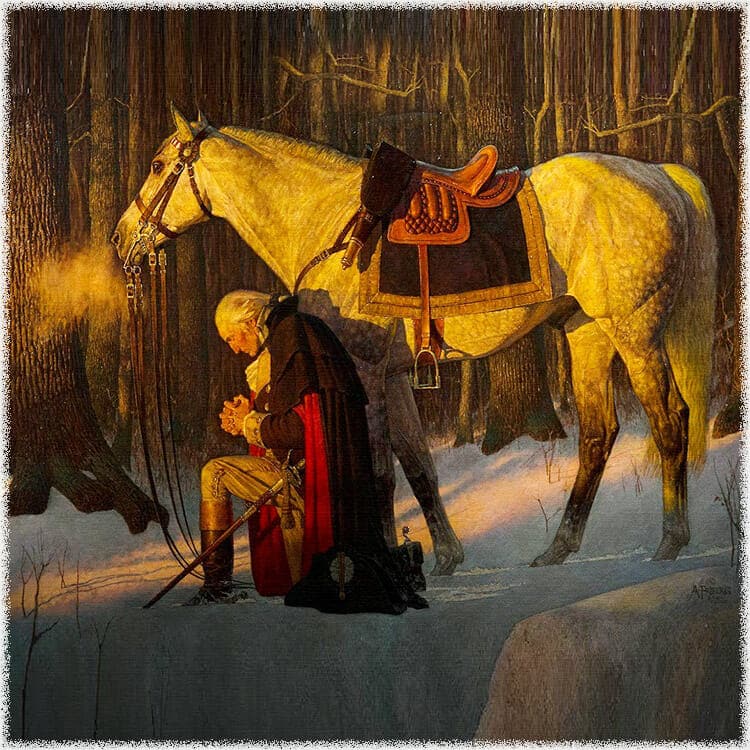
The Surface Problem: The Handoff Happened Too Fast
You gave thirty years to this church. You prayed over its sick, buried its dead, celebrated its marriages, and shepherded its wandering. And then — almost overnight — someone new is standing in your pulpit, people are bringing their questions to a different desk, and you are standing in the hallway of the building you helped build, feeling like a guest.
On the surface, the problem looks like poor transition planning. The timeline was too compressed. The interim started before there was space to say goodbye properly. You did not get the send-off that honored what was actually poured out. That is a real problem. It deserves to be acknowledged. The grief you are carrying is legitimate, and it is not weakness — it is the weight of genuine love for a people and a place.
So yes. The handoff was rushed. But if that were the only problem, time alone would heal it. And you already know, quietly, that something deeper is at work here.
The Layer Underneath: You Were Never Taught What Faithful Endings Look Like
Go one layer deeper, and a more uncomfortable truth surfaces.
Everything in pastoral training — seminary, mentorship, ordination — poured into you the theology of beginning. How to plant. How to lead. How to build. How to shepherd a flock through growth and through storm. But almost nothing prepared you for this: how to finish well when finishing means becoming invisible to the very people you love most.
The real reason the grief cuts so deep is not just that the church moved on quickly. It is that you have no framework for what a faithful ending is supposed to feel like. No one handed you a model. No elder pulled you aside and said, “This season will feel like death — and it is supposed to. That is how seeds work.” So in the absence of a framework, your mind reaches for the only interpretation available: that the evaporation of visibility means the evaporation of value.
That is not theology. That is fear wearing the costume of theology. And it points to something at the very foundation.
The Root Cause: You Have Confused Output With Identity
Here is the structural problem that creates everything above it.
There is an old principle that applies far beyond chicken coops and copywriting: the quality of what goes in determines the quality of what comes out. For thirty years, you poured yourself — your prayers, your presence, your pain — into that congregation. And what came out was real. Transformed lives. A body of believers knit together. Fruit that remains.
But somewhere in those decades of faithful output, a subtle and dangerous equation formed: I produce, therefore I am. Your identity quietly anchored itself to your role, your relevance, your ability to be the one people turned to. And now that the output is no longer yours to manage, the identity feels like it is being stripped away with it.
This is the root. Not the timeline. Not the interim. Not even the grief. The root is a wrong assumption that has been operating beneath the surface for years — the belief that legacy is something you maintain through continued visibility, rather than something God tends through faithful release.
The seed does not watch itself become the harvest. It simply surrenders to the ground.
The Root-Level Fix: Address the Foundation, Not Just the Feeling
Surface-level solutions say: process the grief, find a new rhythm, stay connected to the church from a healthy distance. That counsel is not wrong. But it addresses symptoms.
The root-level solution rebuilds the foundation — the identity beneath the role, the framework for what faithful completion actually looks like, the understanding of Kingdom Economics that says sowing and releasing is not loss, it is the mechanism of multiplication.
When the root is rebuilt, the surface pain begins to resolve on its own. You stop haunting the hallway and start inhabiting your actual calling in this new season. You stop measuring legacy by who remembers and start trusting the One who never forgets.
Everything we have discussed here comes together in one comprehensive solution. The skill of conversion — of translating invisible internal work into visible, lasting impact — is something almost no one teaches directly. I have found something that brings all of these concepts together in a practical, step-by-step format: Conversion911 🚨 Free 8-Day Emergency Protocol.
The sooner you address the foundation, the faster everything built on top of it stabilizes. You will see exactly how to apply these insights to your specific situation — and why the most faithful thing a shepherd can do at the end is trust the Chief Shepherd with what comes next.
The honey was always His to give. You were simply the faithful comb He worked through. That is more than enough.