There’s a particular kind of frustration that grips marketplace ministers in the real estate space—especially those operating in smaller markets where everyone knows everyone, where the competition is brutal, and where the gap between the God-given vision and the current bank account feels like an indictment.
You’ve seen it. God showed you something massive. A business that provides for families, funds Kingdom work, and stands as a testimony so undeniable that even skeptics have to ask what makes you different. But right now? Leads are cold. The market feels hostile. And every scroll through social media reminds you that someone else’s highlight reel looks nothing like your current chapter.
Here’s what most people don’t realize: That gap isn’t evidence of failure. It’s evidence of assignment.
The Northern Minnesota Principle
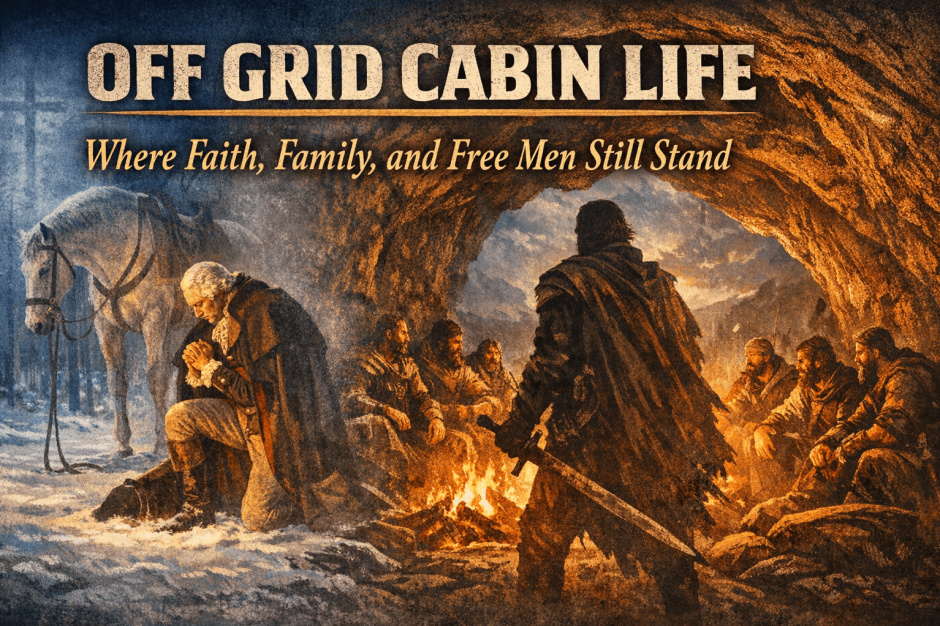
Imagine a homesteader in freezing rain, laying cedar shingles on a roof while leaves fall around him and ice forms on every surface. Miserable conditions. But he doesn’t stop. Why? Because he understands something crucial: the roof doesn’t care about his comfort. Winter comes whether the shingles are down or not.
The marketplace works the same way. When your competitors go quiet in October because “the market slows down,” they’re choosing to leave the roof unfinished. When spring comes and buyers flood back into the market, who do you think has the full pipeline? The realtor who kept sending letters, kept making calls, and kept adding value during the slow season—or the one who stopped because conditions weren’t perfect?
Adverse conditions aren’t obstacles to your mission. They ARE the mission.
The Five-Asset Inventory Most Realtors Never Take
Research into high-performing marketplace ministries reveals a fascinating pattern. The difference between realtors who scale and those who struggle isn’t talent, market conditions, or even work ethic. It’s taxonomy—the ability to name, categorize, and mobilize what’s already in their hands.
Right now, you’re likely sitting on five categories of untapped assets:
- Past clients who would refer you if you stayed in consistent contact
- Warm sphere contacts who know you but haven’t been asked to help
- Cold prospects who need a specific, targeted message to wake up
- Seasonal opportunities (expireds, FSBOs, investor buyers) that require different approaches
- Covenant relationships—trusted connections you’ve been too busy to activate
These aren’t just contact lists. They’re construction crews waiting for section assignments. But here’s the trap: businesses that cannot categorize their assets cannot scale them. You have 500 skilled workers standing in a field with no assignment when they should be building five different sections of wall simultaneously.
The Last-Minute Moose Hunt Protocol
One homesteader dropped everything for a last-minute call from a trusted friend. No agenda. Just friendship. One conversation later, the freezer was full before winter hit.
Your next listing, your next referral partnership, your next Kingdom business connection is waiting inside one relationship you’ve been too busy or too proud to pursue. Not a sales call. A friendship call. “What are you building? What are you hunting? What do you need?”
The principle holds: you’re one covenant relationship away from a full freezer.
What the Crack in Your Foundation Actually Costs
In northern climates, water gets in through small cracks. The crack freezes, expands, and splits the entire structure from the inside before spring. What seems insignificant in October becomes catastrophic by March.
What small crack are you tolerating right now? A small compromise in your follow-up system? A small debt quietly expanding? A small relational fracture with a referral partner? These aren’t small things. Under the pressure of a big vision, small unaddressed vulnerabilities become structural failures.
Business owners often discover this too late—the 90-minute crack audit they avoided in October costs them 18 months of momentum by summer.
The Quiet Life That Shouts Louder Than Marketing
There’s a biblical framework that changes everything for marketplace ministers: “Make it your goal to live a quiet life, minding your own business and working with your hands… Then people who are not believers will respect the way you live, and you will not need to depend on others.”
This isn’t about staying small. It’s about building with such consistency, such integrity, and such disciplined execution that your life becomes an undeniable testimony. The marketplace ministry IS the marketing.
Your positioning statement isn’t “I’m the top realtor.” It’s “I’m the realtor who shows up in every season, delivers what I promise, and doesn’t need to manipulate you to earn your business.”
That’s the most powerful differentiator in any local market because almost no one does it.
The One System That Ties Everything Together
Everything we’ve discussed—adverse-condition execution, covenant relationships, asset taxonomy, seasonal rhythm alignment, vulnerability audits—these aren’t separate tactics. They’re components of a comprehensive approach that transforms frustrated religious hope into disciplined Kingdom strategy.
Here’s what I discovered: most marketplace ministers aren’t missing vision. They’re missing the one skill that makes every other tactic actually work. It’s not what you think.
There’s a fascinating approach I came across that addresses exactly this gap. It’s called Conversion 911 — Why Your Marketing Isn’t Converting (And The One Fix That Changes Everything). What caught my attention wasn’t just the framework—it was how it reveals the missing skill nobody taught you. Not in real estate school. Not in business training. Not in ministry preparation.
The free 8-day protocol shows you exactly how to stop bleeding marketing dollars on tactics that don’t convert and start building a system that fills your pipeline even when market conditions turn hostile. It’s the bridge between the God-given vision and the practical execution most marketplace ministers never find.
You’ll see exactly how to apply database taxonomy, relationship leverage, and seasonal campaign deployment in a way that actually produces measurable results. The sooner you implement these strategies, the faster you move from hoping the vision comes together to watching it build itself one categorized asset at a time.
The vision God gave you isn’t too large. It’s on a 12-month construction schedule that starts this week. The question isn’t whether you have what it takes. The question is whether you’re willing to lay shingles in the freezing rain while your competitors wait for perfect weather that never comes.
Winter is coming. The roof doesn’t care. Start building.